|
|
EUREKA
(SPORTS) |
SPORTS | PL30 | PL30/F4 | Non
PURVIS EUREKAS
|
 |
It
should be noted here that the name "SPORTS" (sometimes
incorrectly referred to as Sportsman) refering to the first
model, was not introduced until the second (Australian) model came
about. It was just a EUREKA.
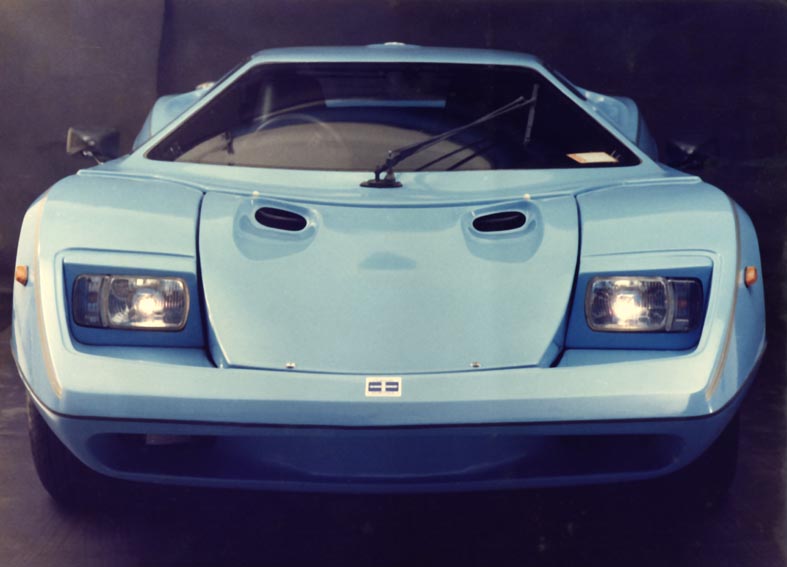
The Eureka was introduced
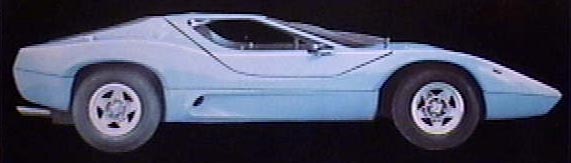
in 1974 and was virtually identical to the UK Nova. The roofline
was extremely low, with total height of the Eureka Sports around
40 inches. The roof lifted up on gas struts, with catches on the
interior to hold the roof down securely while in transit. There
was a handle in the rear of the roof that was used to open and close
and lock the roof down. The long bonnet included very distinctive
“nostrils” or air intakes. Front headlights were rectangular
Ford Capri units while rear lights were from a Thames van. A single
wiper covers the large windscreen. Standard equipment included a
fire extinguisher, sports exhaust system, laminated windscreen,
full harness seatbelts, mag wheels with radial tyres, and many other
items seen only as options on other cars for many years to come.
|
| |
|
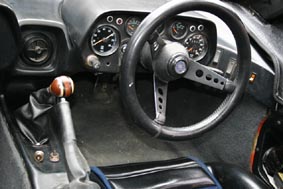 |
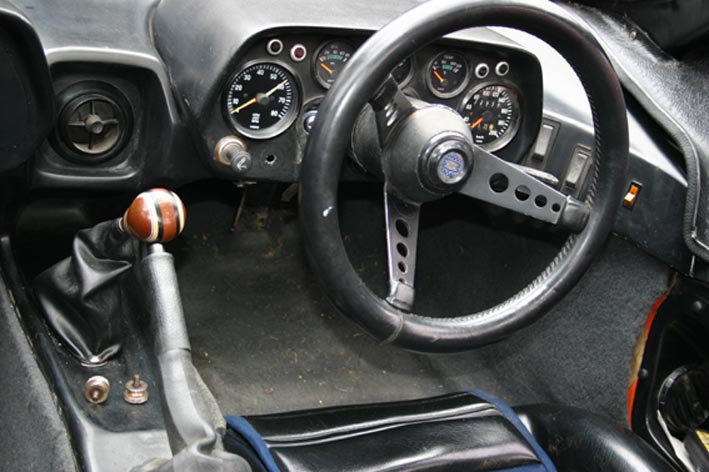
Inside,
there was a narrow centre console with a single air vent at the top.
The instrument pod contained a speedo and tacho, and a number of other
gauges. A second instrument pod was mounted in front of the passenger,
and often held the optional radio/cassette player.
The
VW gearshift came out from the top of the console and the standard VW
hand brake and heater controls were between the seats. Many owners fitted
a remote gearshift and moved the handbrake further back for ergonomic
reasons.
|
Sitting
in the Eureka Sports is not all that comfortable. The roofline is
extremely low and even a medium height person can find themselves
banging their head on the roof. On the driver’s side, the situation
is not improved by having to fit one’s legs under the steering
wheel. Seat rails can be modified and the floor pan can be lowered
to make the seating position more comfortable. The rear vision mirror
seems uncomfortably close to the driver. Rear vision is quite limited,
with only a reasonably small rear window. Electric external mirrors
are essential for reasonable rear vision. There are various storage
compartments in the cabin, and a reasonable space behind the back
seat to stow soft bags, etc. The front under bonnet area is full of
battery, spare wheel and enough room left over for a tooth brush.
|
 |
| |
 |
Owners
could choose from an impressive list of options including: driving/fog
lights; a choice of mag wheels; electric radio antenna; quartz
halogen headlights; perspex headlight covers; electric fan and
windscreen demister kit; rear louvre; etc. A good range of colours
was available.
|
Purchasers
had a choice of Eureka kits to select from starting with the Comprehensive
Kit, which was basically a totally finished body that only needed to
be mounted on your VW chassis, plus the fitting of vent ducting, gauges,
steering wheel, etc. There was also a Progressive Kit, which entailed
no greater level of owner construction effort, but did not include
all the components (eg wheels, tyres, seats, sports exhaust, etc) and
was, of course, initially cheaper. The owner could then acquire these
parts from Purvis or alternative sources as and when he could afford
them. There were various levels of build that the factory would carry
out for the new Eureka owner.
|
|
|
| |
|
|
|
|